About the client
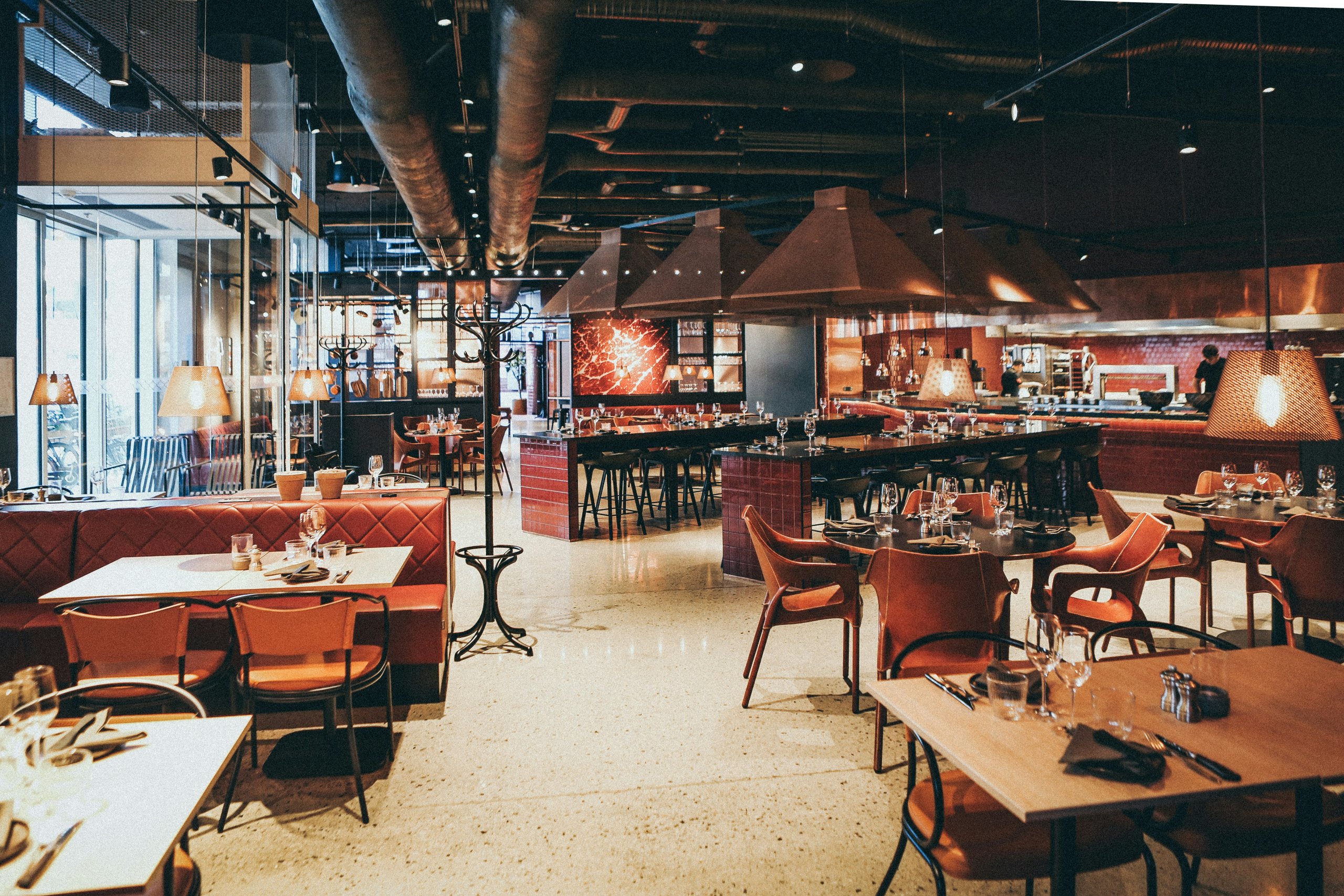
The client operates a large quick-service restaurant (QSR) chain with over 100 locations. The business depends on a constant, uninterrupted supply of products, materials, and services across every site, from stationery and cleaning to security and marketing.
Before implementation, the company struggled with fragmented purchase-request collection, inconsistent approval workflows, limited spend visibility, and insufficient control over procurement-data security.
Challenge
Procurement across a distributed restaurant network requires both flexibility and structure. Each location has its own ongoing needs, yet all must comply with unified corporate standards, pricing, and approval procedures.
This led to several issues:
- Unstructured, ad hoc collection of purchase requests across 100+ locations
- No unified approval routing based on amount, category, or role of responsible parties
- Difficulty consolidating procurement data for analysis and planning
- Security risks from insufficient access control and data protection
- Non-transparent supplier selection with limited competitive bidding
- Inconsistent materials and goods nomenclature across the network
Key project objectives included:
- Automate purchase-request collection and approval routing
- Optimize procurement nomenclature management
- Establish tender procedures for non-production procurement
- Strengthen security controls over procurement processes
- Integrate the solution with the client’s existing IT infrastructure
“The client now operates a controlled, secure, and consolidated procurement management system running on an optimal software configuration.”
— APSentra Team
Solution
Drawing on the expertise of CIPS-certified procurement specialists and APSentra analysts, the team combined new automated capabilities with the client’s existing technical infrastructure. The full scope of requirements was addressed with a minimal, precisely configured set of APSentra modules.
Key capabilities delivered:
- Tender module — auctions and reverse auctions for non-production goods and services: office supplies (water, coffee, stationery), maintenance materials, security, cleaning, marketing, and advertising.
- Request module — adapted to the client’s organizational structure, with automated approval routing by amount, product category, and approver role.
- Nomenclature management — automated matching of corporate product catalogs against national and international classification standards (e.g., CPV).
- Data security — integration with the corporate identity directory (Active Directory) for access control, and with a qualified e-signature provider for legally valid electronic signatures across procurement workflows.

Results

A controlled procurement system

Data and process security

Consolidated nomenclature

A competitive supplier environment

Minimal setup, maximum coverage
Business impact
Procurement across the restaurant network moved from fragmented and opaque to controlled, secure, and consolidated.
- Request collection and approval no longer depend on email or phone calls; everything happens in one system with clearly defined rules.
- Management gained full visibility into procurement activity across the network and real tools for cost control.
- Suppliers compete in transparent procedures, driving healthier competition and better commercial terms.
- Procurement data security meets corporate standards, with access control and electronic signatures in place.
- Standardized materials and goods reduce unplanned spending and lower the total cost of supply across the network.