About the client
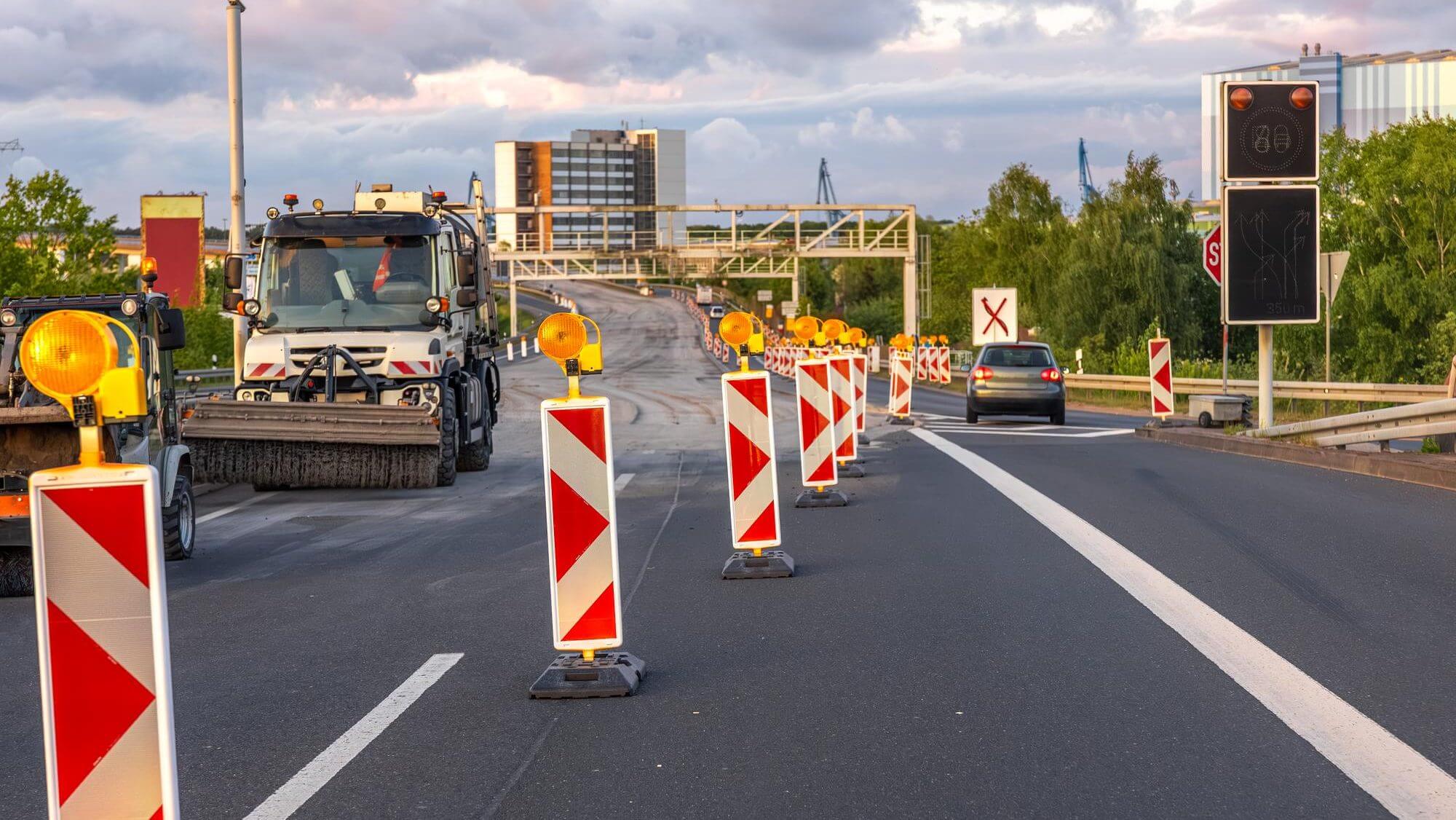
The client is a diversified infrastructure contractor managing large-scale projects across road construction, agribusiness, and quarry operations. The nature of their work demands continuous and precisely coordinated procurement across multiple project sites, with high volumes of materials, frequent deliveries, and complex logistics.
The internal audit and security function identified procurement and supply chain control as a critical operational risk. The primary objective was not simply to automate purchasing, but to establish an unbroken chain of accountability from the initial purchase request through to physical receipt of goods at the warehouse.
Challenge
Procurement and logistics operated as largely disconnected functions. Purchase requests, supplier orders, delivery coordination, and warehouse receipts each followed their own processes, creating gaps where discrepancies between what was ordered and what was delivered could go undetected.
This led to several issues:
- No systematic link between purchase requests, supplier orders, and actual deliveries
- Delivery verification relied on manual checks, with no automated comparison against contract terms
- Logistics details: dates, vehicles, and destinations were tracked informally and inconsistently
- Partial deliveries were difficult to manage, with no structured tracking of outstanding volumes
- Approval workflows lacked defined routing, responsible parties, and time-based controls
- Document generation for goods receipt required manual effort and was prone to inconsistency
Key project objectives included:
- Building a continuous, automated chain from purchase request through to warehouse receipt
- Enabling real-time verification of delivered quantities against contracted volumes
- Integrating logistics data: delivery dates, transport details, and destination sites into the procurement platform
- Automating approval routing with defined responsibilities and control checkpoints
- Automating document generation for all delivery and receipt scenarios
- Providing leadership with consolidated analytics across all procurement and supply stages
Solution
APSentra deployed an integrated procurement and supply chain control solution built around six core modules: Request, Tender, Contract, Purchase Order, Receipt, and Analytics. The implementation focused on connecting these stages into a single, uninterrupted digital flow with no manual handoffs between steps.
Key capabilities delivered:
- End-to-end process continuity — every line item moves automatically from purchase request through tender, contract, order, and delivery, with data carried forward between stages without re-entry
- Delivery verification against contract — the system automatically compares actual received quantities against contracted volumes, flagging any discrepancy in real time
- Logistics integration — delivery date, time, location, and transport details are captured within the platform, giving procurement and operations teams full visibility into incoming supply
- Partial delivery management — partial receipts are logged against the original order, with outstanding balances tracked and future delivery schedules generated automatically
- Automated approval routing — workflows are configured with defined responsible parties, escalation paths, and control checkpoints, reducing delays and eliminating informal coordination
- Automated document generation — the system produces a complete package of receipt documentation based on delivery type, direct supplier delivery, self-pickup, or third-party logistics, ready for warehouse and finance teams

Results
Unbroken procurement-to-receipt chain
Real-time delivery verification
Logistics is fully integrated into procurement
Partial delivery control

Consolidated supply chain analytics
Business impact
Procurement and supply chain operations at this infrastructure contractor evolved from a fragmented, manually coordinated process into an integrated, auditable, and fully controlled digital system.
- Every purchase is now traceable from request to receipt, with no gaps, no manual handoffs, and no unverified deliveries
- Delivery discrepancies are identified in real time, enabling immediate corrective action before financial exposure accumulates
- Logistics coordination is embedded within the procurement platform, eliminating the delays and inconsistencies of informal communication
- The security and audit function has the controls and data it needs to monitor compliance continuously, not only after the fact
- Procurement teams have been freed from manual data handling, allowing them to focus on supplier relationships and operational performance
“The goal was to build a control mechanism that covers the entire chain, from purchase request to goods receipt. That mechanism is now in place.”
— Project Lead, APSentra