













In food production, a supplier problem doesn’t stay a supplier problem — it becomes a recall
Key challenges APSentra solves:

Raw-material price volatility

Food safety & compliance burden

Supplier certification management

Lot traceability & recall readiness

Perishability & lead-time pressure

Multi-plant recipe & input sourcing


APSentra — a unified source-to-pay procurement platform, built for food processing and production
APSentra aligns procurement with how food producers actually operate — across recipes, plants, certified suppliers, and the batches that must remain traceable.


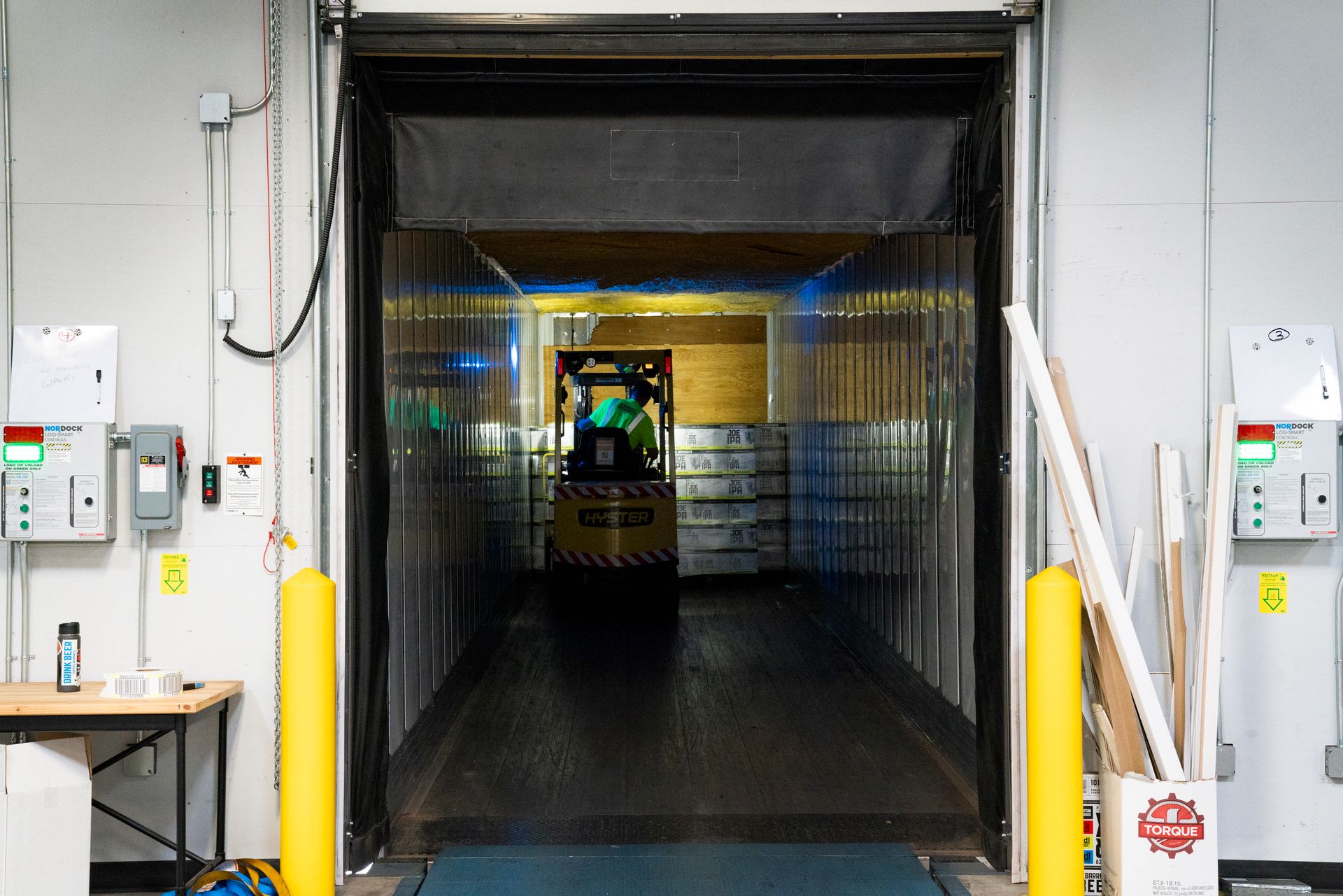
Supplier certification & food-safety compliance
Certification status is tracked, not chased.
- Centralized supplier certification register (HACCP, ISO 22000, FSSC, organic, allergen)
- Automated expiry and renewal alerts before certificates lapse
- Structured supplier qualification and audit workflows
- Approved-vendor enforcement at the point of requisition
No uncertified supplier reaches a production order.
Traceability & recall readiness
Every input traceable to its source, on demand.
- Purchase records linked to supplier lots and delivery batches
- Certificate of analysis and specification documentation stored against each receipt
- Timestamped audit trail from requisition to goods receipt
- Export-ready records for audits and recall investigations
Recall scope is established in hours, not weeks.
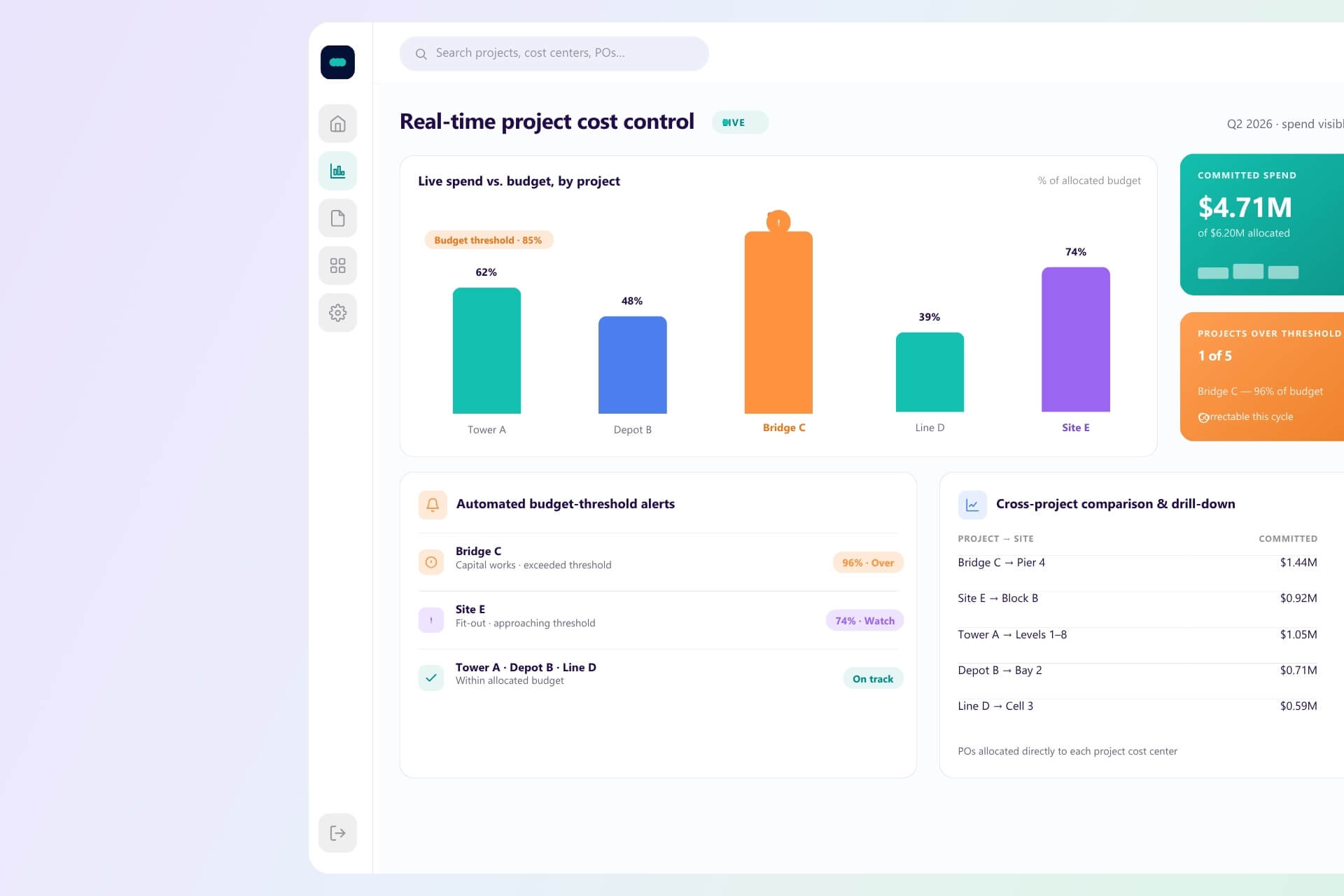
Raw-material sourcing & price volatility
Input cost becomes a managed variable.
- Structured RFQ and tender workflows for raw materials
- Framework agreements with volume and price-term tracking
- Multi-plant demand consolidation for negotiation leverage
- Category-level spend analytics on core inputs
Volatility is negotiated, not absorbed.

Production-aligned procurement
Buying follows the production plan.
- Procurement mapped to recipes, formulations, and production orders
- Reorder alerts based on stock thresholds and supplier lead times
- On-order quantity tracking against production demand
- Consolidated view of the same input across all facilities
Short shelf life meets reliable supply timing.
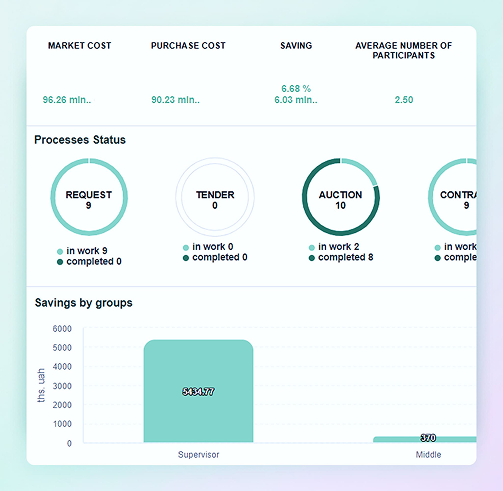
Packaging & sustainable sourcing
Packaging and ESG spend become measurable.
- Category-level packaging spend analytics
- Supplier consolidation for volume leverage
- Ethical- and sustainable-sourcing documentation
- Environmental and compliance reporting support
Sustainability claims backed by evidence.









Other companies vs APSentra
- Static company-wide budgeting
- Simple vendor database
- General, lagged expense tracking
- Manual certificate and audit chasing
- Blind to multi-plant price variance
- Recipe- and production-aligned input sourcing
- Certification-aware approved vendor management
- Lot-level traceability from requisition to receipt
- Automated expiry alerts and audit workflows
- Consolidated input spend across every facility
Smooth custom & ERP-agnostic integrations
Seamlessly integrates with your ERP, accounting, collaboration, analytics, and supplier ecosystems.
Keep budgets, contracts, purchase orders, tenders, and payments aligned across all enterprise systems.




Why food producers choose APSentra




Make food safety and cost control the same system
No lapsed certificates. No untraceable batches.
Latest articles
Procurement Governance in Capital Projects: How to Protect Investment Returns
The State of AI Adoption in Procurement in 2026
AI Procurement Workflows That Improve Decision Quality
FAQs
What is food procurement software?
Food procurement software manages the source-to-pay cycle for food processing and production — sourcing raw materials, ingredients, packaging, and services under the food-safety and traceability obligations that govern the sector. Unlike generic purchasing tools, it treats supplier certification, lot traceability, and input quality as first-order requirements rather than optional fields.
APSentra links purchasing to recipes and production orders, maintains a certification-aware approved-vendor base, and records every input against its supplier lot — so compliance evidence exists at the moment of receipt.
How does procurement software support food safety compliance?
Food-safety frameworks such as HACCP, ISO 22000, and FSMA rest on documented control: proof that inputs came from qualified suppliers, met specification, and can be traced. Handled manually across a large vendor base, that documentation degrades — certificates lapse, specifications drift, and gaps surface during an audit.
APSentra centralizes supplier certifications with automated expiry alerts, enforces approved-vendor rules at requisition, and stores certificates of analysis and specifications against each receipt, keeping the evidence current rather than reconstructed.
How does procurement improve traceability and recall readiness?
Recall exposure is determined by how quickly a producer can establish scope — which lots, from which supplier, entered which production runs. When purchasing, receiving, and quality records sit in separate systems, that reconstruction takes weeks and the recall widens to stay safe.
APSentra links purchase records to supplier lots and delivery batches with a timestamped trail from requisition to goods receipt, so scope can be narrowed quickly and defensibly, with export-ready records for investigators and auditors.
How can food producers manage raw-material price volatility?
Agricultural and commodity inputs move faster than annual budgets. Producers absorb the difference as margin loss when they lack forward visibility, consolidated volumes, or structured contracts to negotiate against.
APSentra supports structured tendering for raw materials, tracks framework agreements with volume and price terms, consolidates demand for the same input across plants, and provides category-level analytics — turning volatility into something negotiated rather than absorbed.
What is the difference between direct and indirect procurement in food production?
Direct procurement covers what enters the product: raw materials, ingredients, additives, and primary packaging governed by recipes and specifications. Indirect procurement covers everything that keeps the plant running — maintenance and spare parts, sanitation, utilities, logistics, and professional services. Direct spend carries the food-safety and traceability burden; indirect spend is usually where uncontrolled cost hides.
APSentra governs both under one platform, with category-specific approval routes and compliance guardrails, so traceability applies where it must and cost discipline applies everywhere.
What are the best cloud-based procurement tools for industrial companies?
Different industries operate under fundamentally different conditions — regulatory and compliance requirements, spend structures, supply-chain dependencies, contract and pricing models, and CapEx vs OpEx governance — yet most procurement tools treat them the same, forcing teams into manual workarounds.
APSentra aligns procurement workflows, controls, and data structures with how each industry actually operates — reducing risk and improving decision-making.