Power Plant Procurement and Supply Chain Management: A Practical Guide
Few supply chains carry higher stakes than the power plant supply chain. A missing spare can force a unit offline, a late transformer can delay commissioning by a year, and a weak contract can lock in costs for decades. In 2026, with equipment backlogs at historic highs, power plant procurement has become a direct driver of availability and capital efficiency.
This practical guide covers the full scope: the procurement process, direct and indirect spend, long-lead equipment, MRO and critical spares, inventory risk, fuel, supplier qualification, contracts and digital procurement.
What Is the Power Plant Supply Chain?
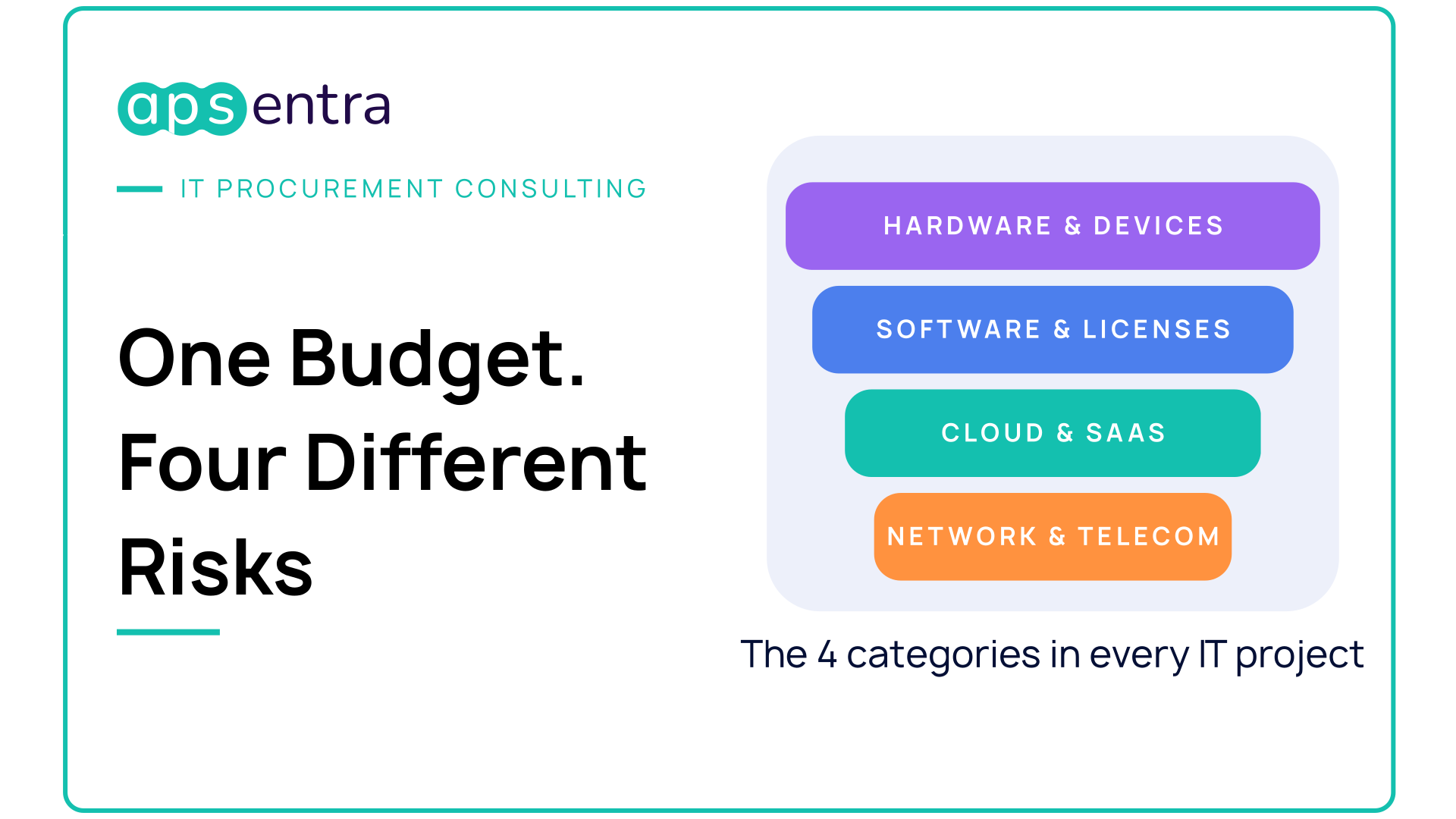
A power plant draws on four distinct supply flows. Each has its own rhythm, risk profile and owner, and most procurement problems start where these flows meet.
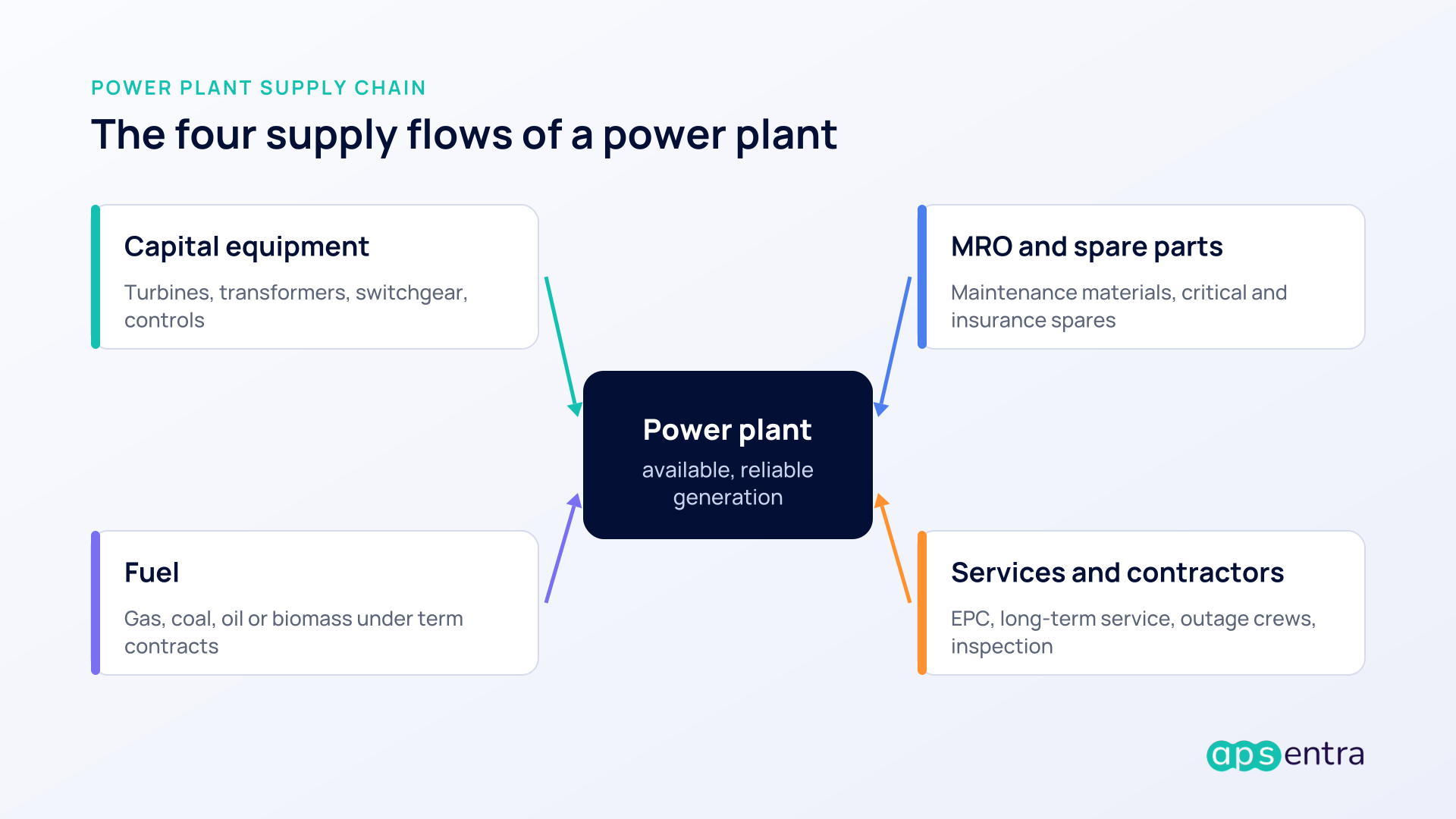
- Capital equipment. Turbines, generators, transformers, boilers, switchgear and control systems, typically bought once per project or major upgrade.
- MRO and spare parts. Maintenance, repair and operations materials plus critical spares that keep units available between and during outages.
- Fuel. Gas, coal, oil or biomass for thermal plants, bought under contracts that directly shape the cost of every megawatt-hour.
- Services and contractors. EPC contractors, long-term service providers, outage crews, inspection and engineering services.
Why Power Plant Supply Chains Are Under Pressure in 2026
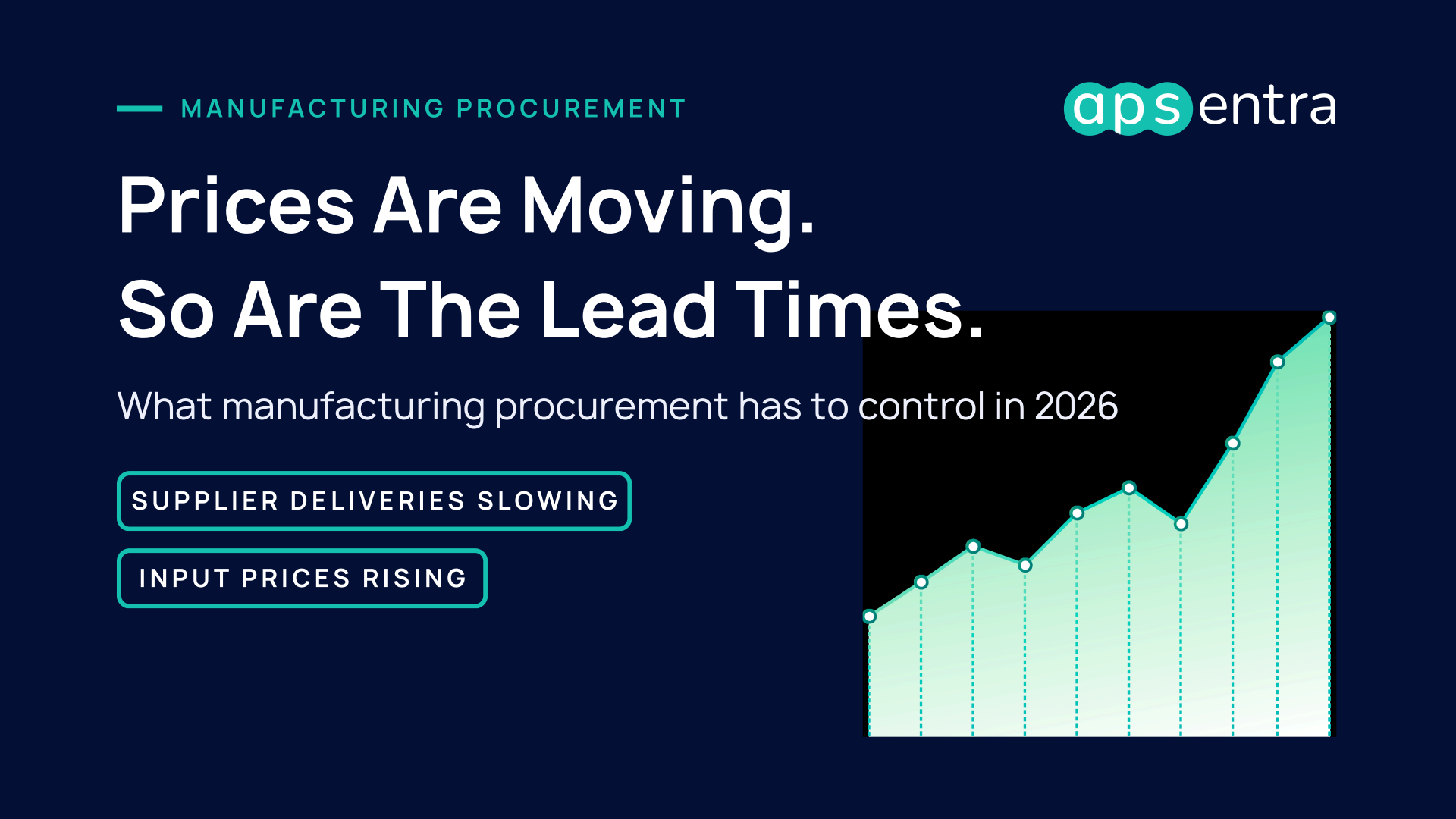
Demand for generating and grid equipment has outpaced manufacturing capacity, and every part of the power plant supply chain feels it. GE Vernova reported a gas turbine backlog of 116 GW at the end of Q2 2026, up from 100 GW a quarter earlier, and Utility Dive reports waits of up to five years in the gas turbine market.
Transformers tell the same story. According to Wood Mackenzie survey data reported by POWER Magazine, power transformers averaged 128 weeks from order to delivery in Q2 2025, and generator step-up units averaged 144 weeks. Demand for generator step-up transformers has grown 274% since 2019, and power transformer prices have risen 77%.
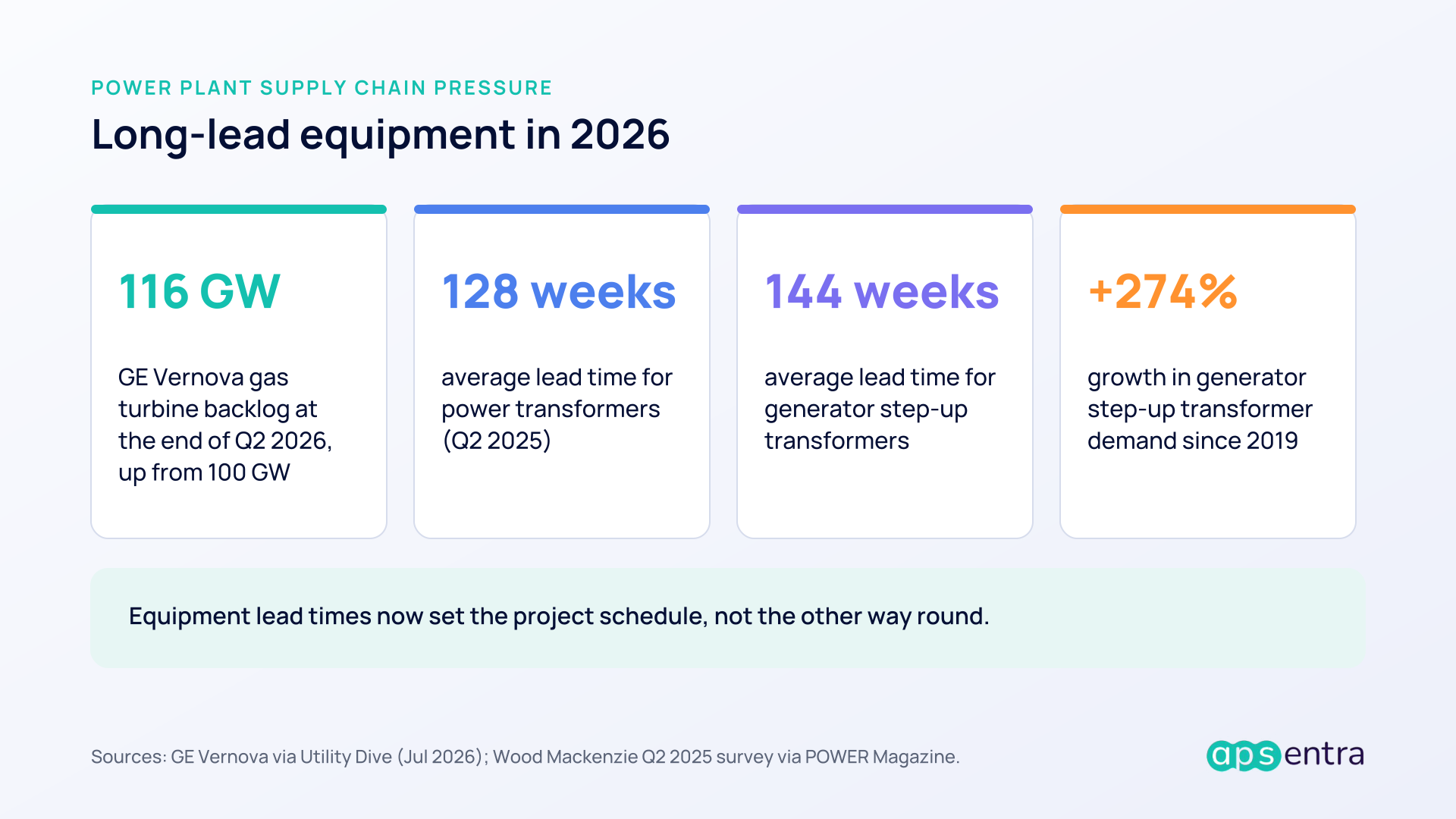
For operators, the consequence reaches well beyond new-build projects. An in-service transformer failure now means a replacement queue measured in years, which turns spare-parts strategy and supplier relationships into board-level reliability questions.
The Power Plant Procurement Process
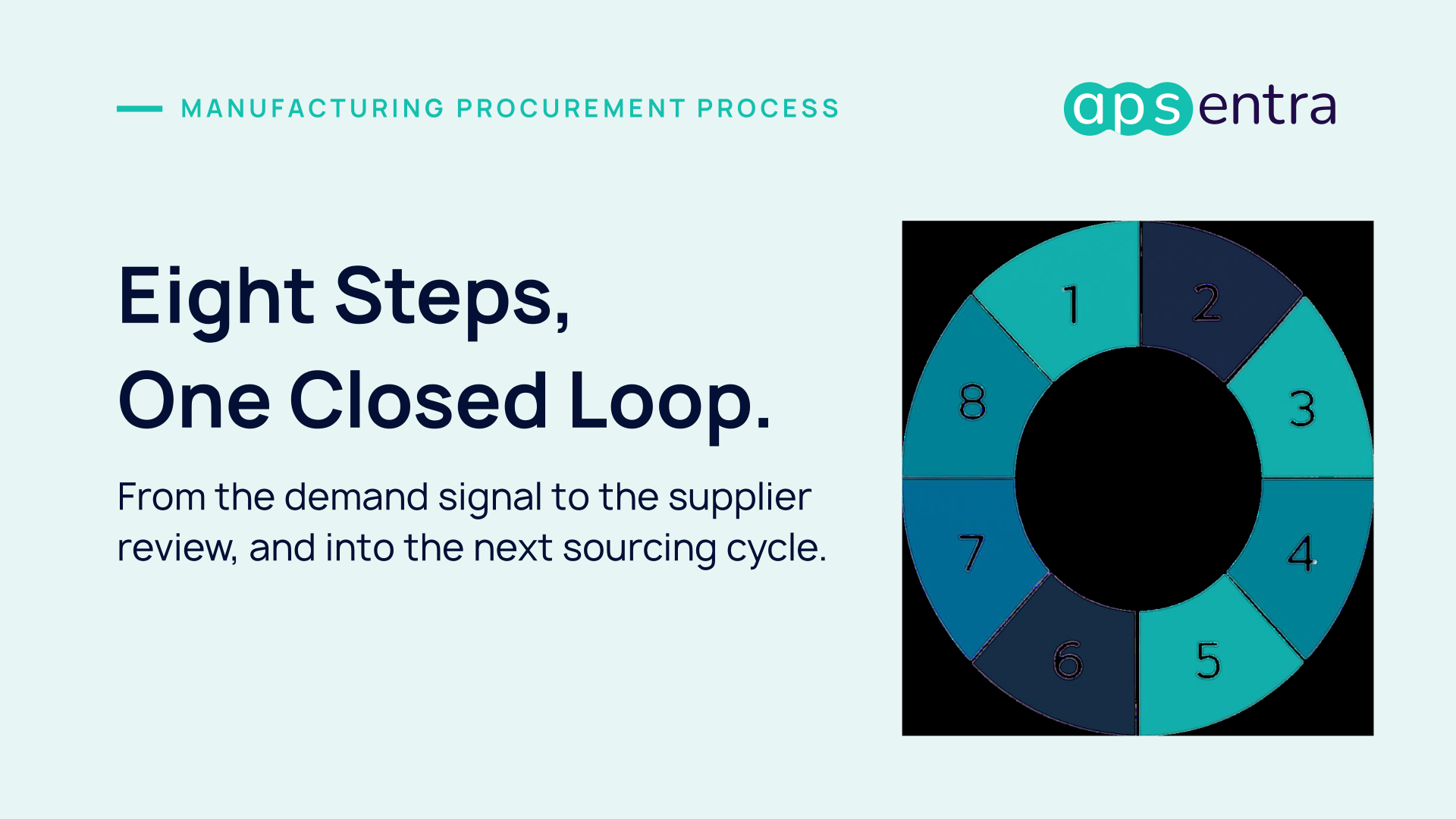
The power plant procurement process follows the asset lifecycle, from planning through receipt and review. Eight stages apply to both project and operational buying.
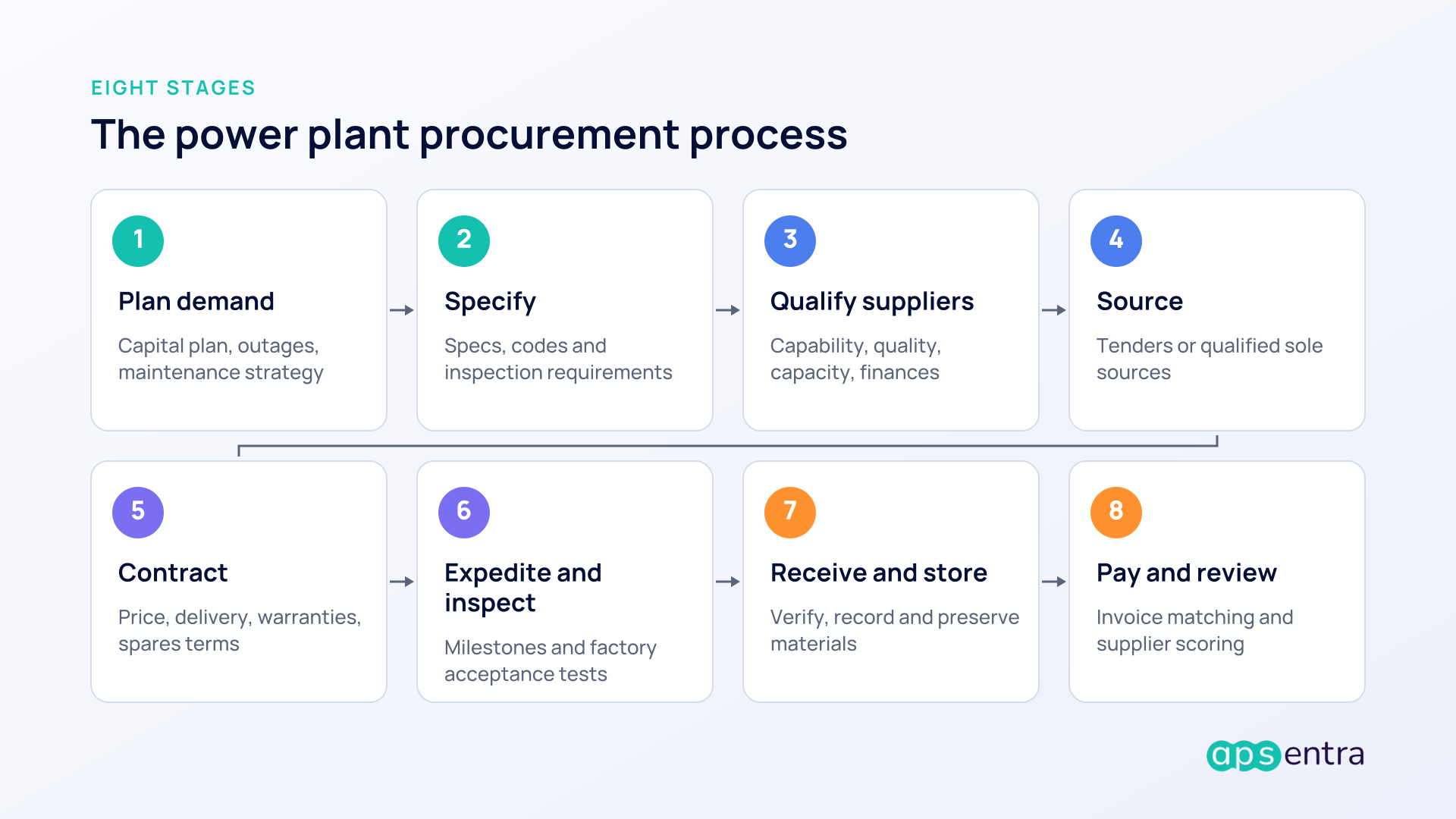

Plan demand

Specify
Qualify suppliers
Source
Contract
Expedite and inspect
Receive and store
Pay and review
Stages six and seven are where many operators lose control. Equipment ordered two years earlier often has no active owner once the purchase order is issued, and delays only surface when the delivery date passes.
Direct vs. Indirect Procurement in Power Generation
Power generation procurement splits into direct spend, which flows into generating capacity and output, and indirect spend, which supports operations. The distinction matters because each needs different controls.
| What it covers | Capital equipment, fuel, critical spares, EPC, and long-term service agreements | MRO consumables, facilities, IT, professional services, logistics |
|---|---|---|
| Spend profile | Few, very high-value, long-cycle purchases | Many low-value, frequent purchases |
| Main risk | Delay, technical failure, lost generation | Fragmentation, maverick spend, weak visibility |
| Key controls | Engineering sign-off, expediting, contract governance | Catalogs, approval thresholds, consolidated suppliers |
| Typical owner | Projects, engineering and procurement jointly | Procurement with site operations |
Indirect spend is often underestimated. Individually small purchases add up across sites, and without catalog control and consolidated suppliers they create both cost leakage and duplicate inventory.
Long-Lead Equipment Procurement
Long-lead equipment procurement now determines project timelines rather than following them. Operators and developers that secure manufacturing slots early gain a schedule advantage that later buyers cannot recover.
Practical measures include:
- Early commitment. Reserve production slots through capacity reservation or advance agreements before final investment decisions where the business case allows.
- Framework agreements. Negotiate multi-unit or fleet-wide agreements that secure priority and price mechanisms across several projects.
- Standardized specifications. Reduce custom engineering so that units fit multiple sites and can be reallocated between projects.
- Milestone expediting. Track design approval, material procurement, manufacturing and testing milestones, not only the promised delivery date.
- Factory acceptance testing. Inspect critical equipment before shipment, when correcting defects is still cheapest.
Each of these measures commits capital or accepts risk earlier than usual, so each needs clear approval rules. Long-lead decisions should be visible to finance from the moment of reservation, not only when the invoice arrives.
MRO Procurement for Power Plants
MRO procurement for power plants covers the maintenance materials, consumables and repair services that keep units running. Planned outages concentrate this demand into short, intense windows, so material readiness before an outage is one of the most important MRO metrics a plant can track.
Effective power plant MRO procurement combines catalog-based buying for routine items, framework agreements with key distributors and a clear link between work orders and purchase requests. For a deeper look at the category, see our guides to MRO procurement and AI in MRO procurement.
Critical Spare Parts Procurement
Critical spare parts procurement decides what to hold before it is needed. The right answer depends on two factors: the consequence of a failure and how long a replacement would take to arrive.
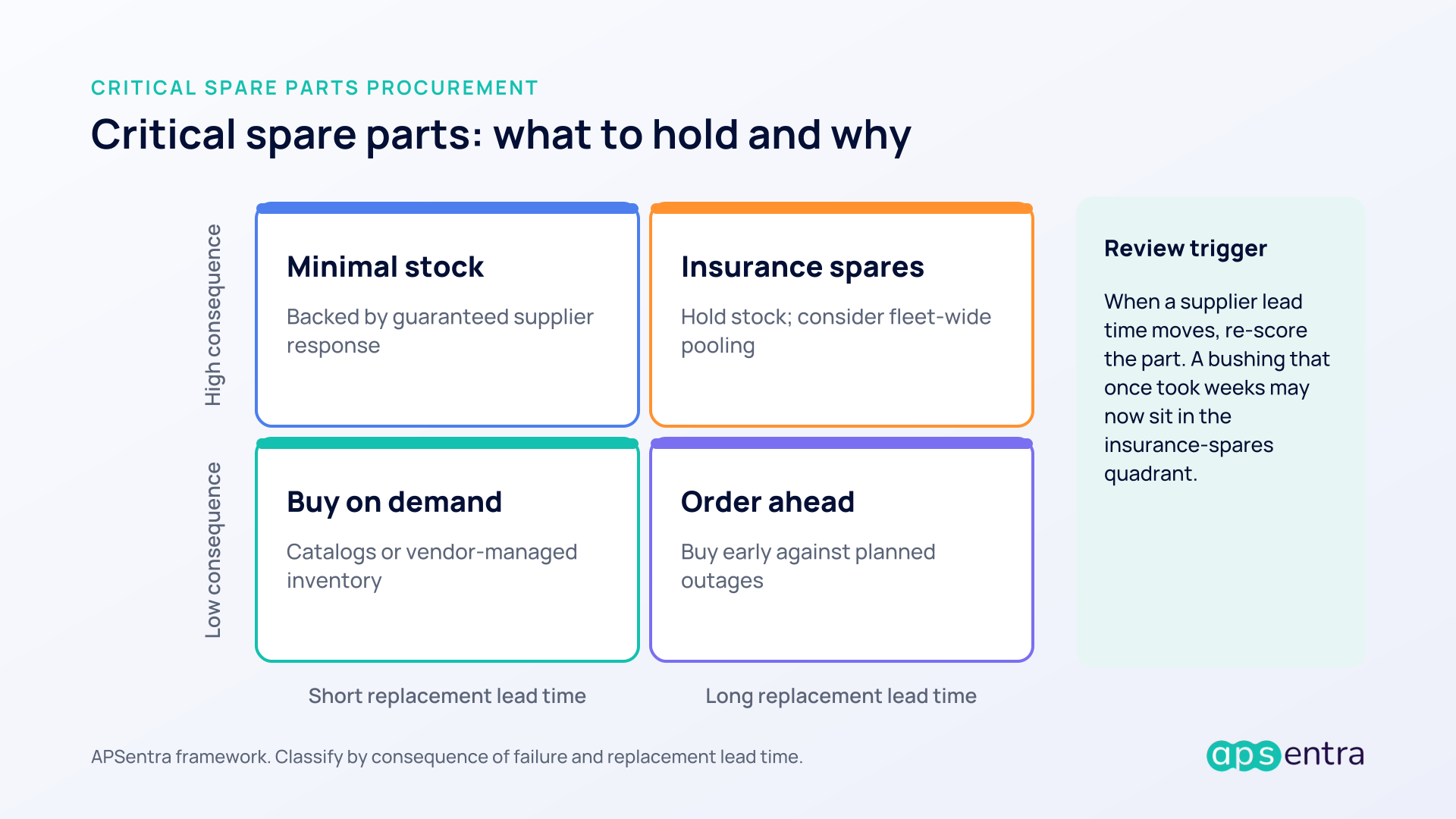
- High consequence, long lead time. Hold insurance spares such as spare transformers, rotor assemblies or major valve bodies, and consider pooling them across a fleet or with other operators.
- High consequence, short lead time. Keep minimal stock backed by guaranteed supplier response agreements.
- Low consequence, long lead time. Order early against planned outages rather than holding stock.
- Low consequence, short lead time. Buy on demand through catalogs or vendor-managed inventory.
Criticality reviews should be repeated whenever lead times move. A bushing, breaker or control card that once arrived in weeks may now take many months, which quietly moves it into a higher risk category.
“A spare you cannot get in time is a generation risk, not an inventory decision. Criticality has to be reviewed every time the supply market moves.”
— Mauricio Dezen, Head of Implementation, APSentra
Inventory and Stockout Risk
Inventory is where power plant supply chain decisions become visible on the balance sheet. Power plant inventory management balances two costs: capital tied up in stock and the cost of lost generation when a part is missing. Most plants carry too much of the wrong inventory and too little of the right one.
Common causes include duplicate part numbers across sites, outdated minimum and maximum levels, obsolete parts from retired equipment and no shared visibility between plants in the same fleet. Cleaning the material master, setting stock levels from criticality and consumption data, and making inventory visible across the fleet usually free working capital while reducing stockout risk at the same time.
Fuel Procurement for Power Plants
For thermal plants, fuel is the largest variable cost and the one most exposed to market swings. Fuel procurement combines pricing strategy, supply security and delivery control, and it requires close alignment between procurement, trading or treasury, and plant operations.
Our dedicated guide to fuel procurement management covers pricing models, contract clauses, and fuel risk management in detail. Plants buying electricity or gas for auxiliary loads can also refer to our guide on energy procurement consulting.
Supplier Qualification and Risk Management
The power plant supply chain relies on a concentrated, specialized supplier base, which makes supplier qualification and ongoing risk monitoring essential. Qualification typically covers technical capability and references, quality management and certifications, manufacturing capacity and current backlog, financial stability, compliance and sanctions screening, and after-sales support.
| Supplier risk | What it looks like | Mitigation |
|---|---|---|
| Capacity risk | Supplier accepts orders beyond its production capacity | Backlog review at qualification; milestone tracking |
| Single-source dependency | Only one qualified source for a critical item | Qualify alternates; hold strategic spares |
| Financial distress | Supplier weakens during a multi-year order | Periodic financial review; payment tied to milestones |
| Quality failure | Defects found at site or in service | Factory inspection; warranty and performance clauses |
| Obsolescence | OEM discontinues parts for older units | Obsolescence notices in contracts; last-time buys; reverse engineering where permitted |
| Geopolitical and trade risk | Tariffs, sanctions or export controls affect supply | Diversified sourcing regions; tariff pass-through terms |
Contract Management for Power Plant Procurement
Power plant contracts often run for years or decades, so their terms outlast the people who negotiated them. The main contract types are EPC contracts for new build, equipment supply agreements, long-term service agreements for major equipment, and framework agreements for MRO and services.
Clauses that deserve particular attention include delivery and liquidated damages, warranties and performance guarantees, price escalation mechanisms, spare-parts availability and pricing over the equipment life, obsolescence notification, and change control. Each obligation needs an owner and a date in a system both procurement and finance can see, or it will be enforced too late or not at all.
Digital Procurement for Power Plants
Digital procurement for power plants connects the four flows of the power plant supply chain in one governed environment. The goal is traceability: every requisition linked to a plan or work order, every approval routed to the right authority, every contract obligation visible and every supplier measured on the same basis.
APSentra builds a digital twin of the organizational structure and procurement workflow, so approval authority mirrors the real hierarchy of plants, fleets, and legal entities. Sourcing events, supplier qualification, contract monitoring, and consolidated spend analytics sit in one place, giving procurement and finance a shared view of commitments and actual spend.
CLIENT STORY
Full-cycle procurement automation for a state-owned gas infrastructure operator
A state-owned operator of underground gas storage facilities replaced manual, fragmented procurement with one system connecting annual planning, requests, tenders, contracts, and order execution. Budget control at the request stage validates commitments against the approved plan before any tender begins. Standardized workflows govern technical specifications, approval routes, and consolidated tenders across departments. Contracts and supplier orders are managed electronically, with fulfillment status tracked automatically.
For a broader comparison of platforms, see our review of the best procurement software platforms.